SUPPORTING THE WHOLE FAMILY
Hoarding doesn’t just happen to one person. It happens to a whole home.
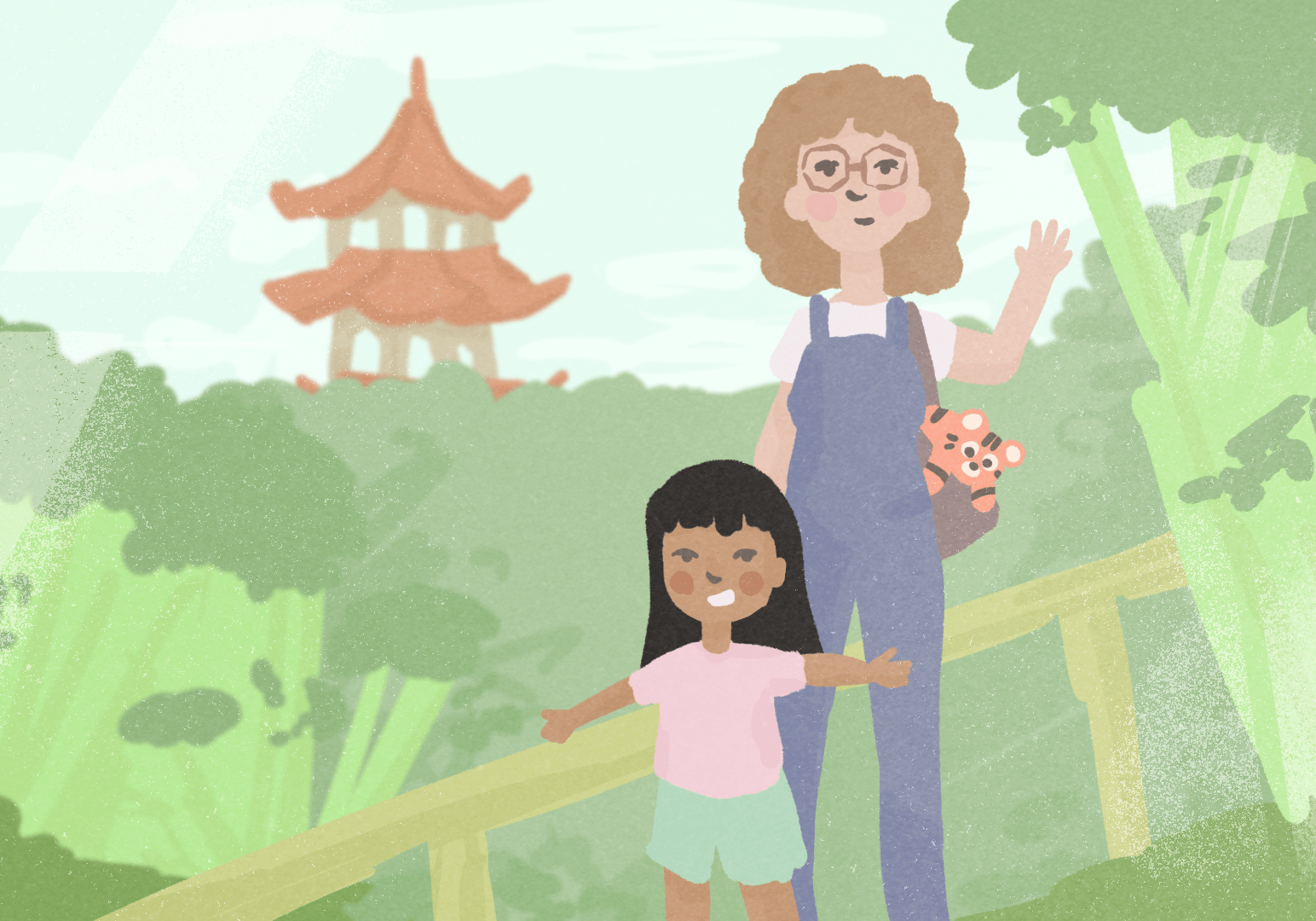
While the individual needs support, the family members, especially children and spouses, are often the ones trying to navigate the practical and emotional fallout.
We wanted to shine a light on their experience to help families navigate these complex relationships. By understanding the condition better, we hope families can find a way to support each other with patience and kindness.
RAISING AWARENESS
Of All The Things aims to offer a deeper understanding of Hoarding Disorder, an often overlooked mental health issue.
Through the power of storytelling, we believe we can:
-
Start the conversation: Make it easier to talk about hoarding with friends, family, and professionals.
-
Build empathy: Help audiences stand in the shoes of those grappling with hoarding.
-
Challenge stereotypes: Move beyond the "messy house" tropes often seen on TV.
-
Encourage support: Signpost people to the help they need.
WHAT IS HOARDING DISORDER?
Hoarding disorder is a mental health condition where a person has persistent difficulty discarding possessions, regardless of their actual value.
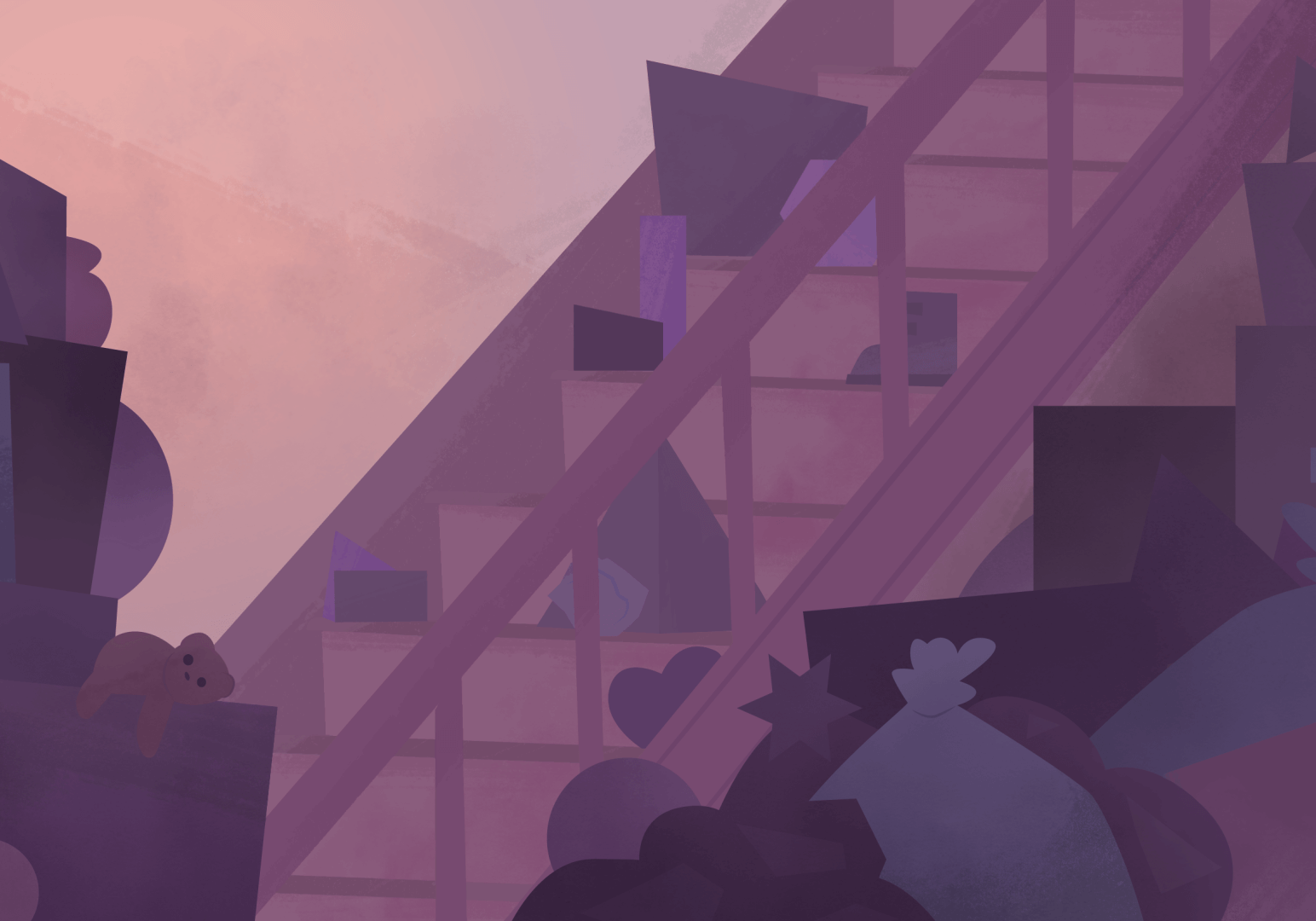
This leads to a build-up of items that clutter living spaces, making everyday activities difficult or even unsafe. It is important to remember that hoarding is not simply about being ‘untidy or lazy’ or collecting things. It is often linked to:
-
Strong emotional attachments to objects.
-
Anxiety and trauma.
-
Difficulty making decisions.
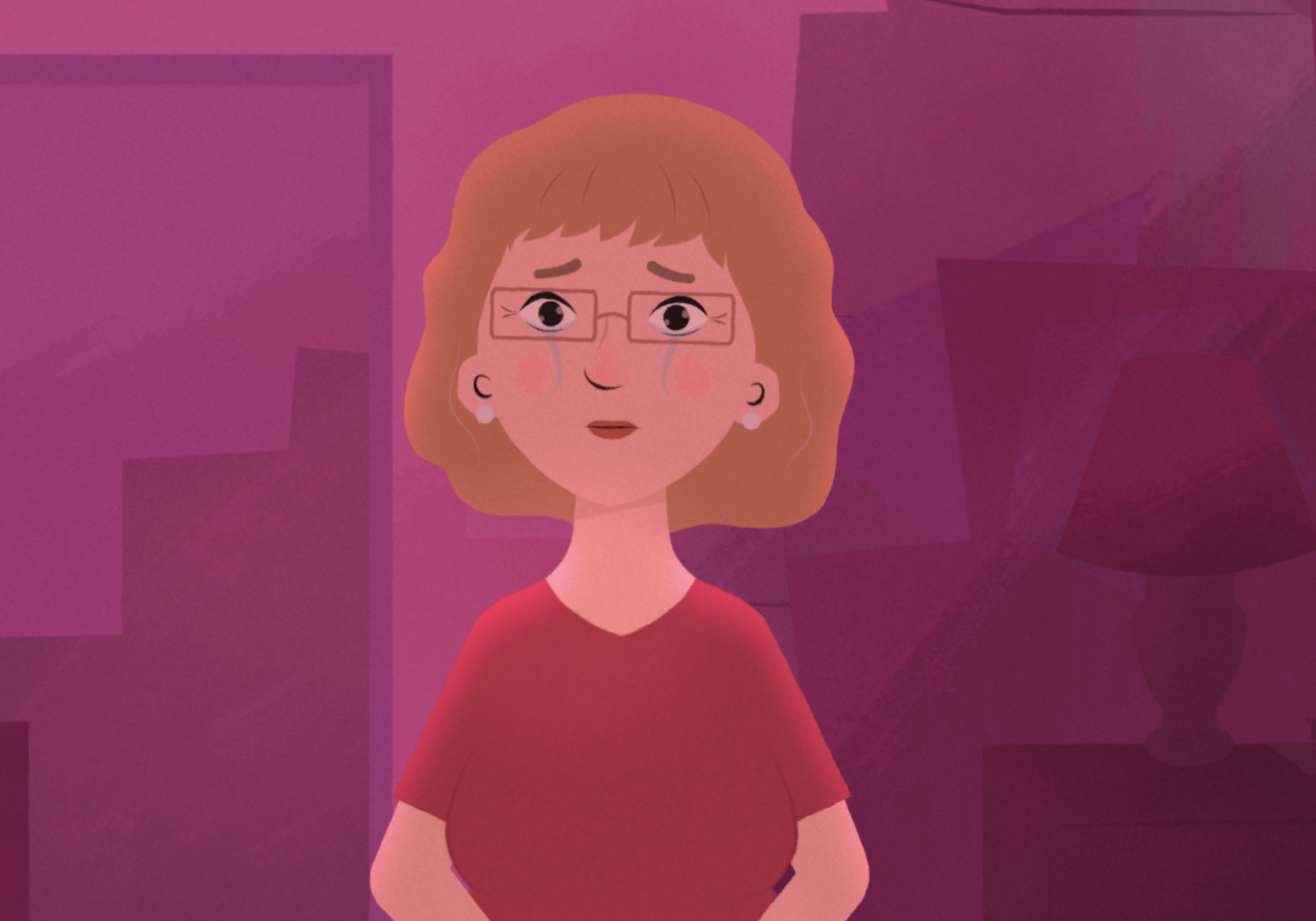
People living with hoarding disorder often feel significant distress, shame, or isolation. But with understanding, support, and the right help, positive changes are possible.
(For Further Information: NHS, BPS, Mind)
THE POWER OF ANIMATION
As a production by Kino Bino Animation Studio, visual storytelling is our area of expertise. It felt natural to use our skills to tackle this subject.
Beyond that, we believe animation has a unique power. Sometimes real life is too raw for a camera. Animation creates a safe environment to explore difficult subjects without judgment.
It allows us to make invisible feelings like shame and anxiety visible. It is the perfect tool to explain complex emotions in a way that words alone cannot. This makes the story accessible to little ones, teens, and grown-ups alike.